Why Your Toilet Keeps Running
If your toilet keeps running, one of three faults is behind it: an inlet valve that will not shut off, a flush valve seal that lets water slip into the pan, or a water level set above the overflow. Each fault leaves its own sign. None of them fix themselves, and every week it runs the meter keeps turning.
If we're late, $100 comes off your bill

- Licensed and InsuredEvery job done by a licensed plumber. QBCC No: 15024607
- Fixed Quote FirstFlat-rate pricing, agreed before any work starts
- Lifetime Labour WarrantyBacked by our Fix-It-or-It's-Free guarantee (T&Cs apply)
- $0 Call-Out FeesNo extra charge for nights, weekends or public holidays

Plenty of Kallangur homes carry cisterns fitted anywhere from the 1960s through to the 2000s, so a worn valve here is common rather than strange. The good news is that diagnosis is simple, and the fix is usually a small job for a licensed plumber.
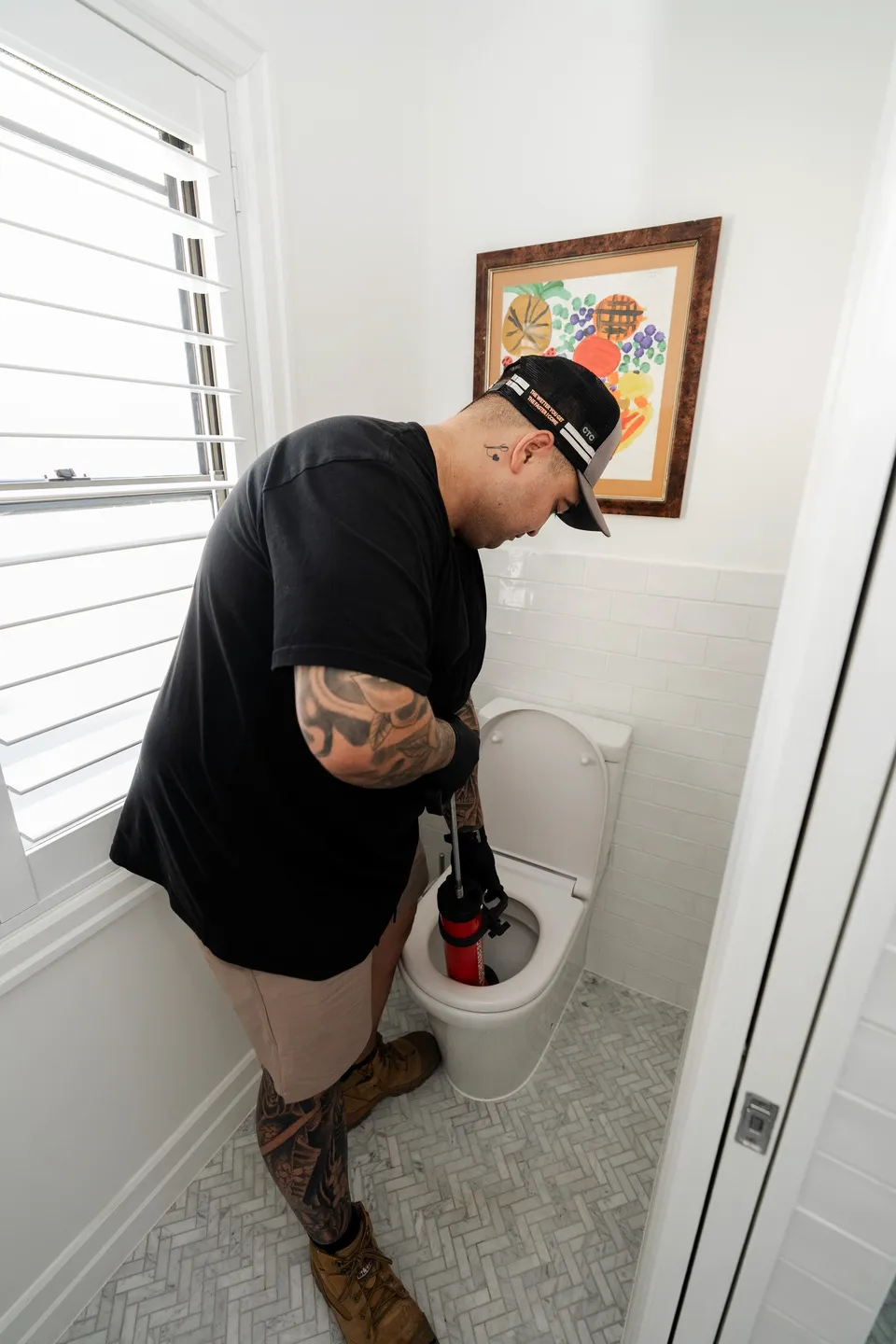
Why the Cistern Never Stops Filling
Three faults keep a cistern filling: an inlet valve that will not shut off, a flush valve seal dripping water into the pan, or a water level above the overflow.
The signs differ for each fault:
A constant hiss or trickle after the cistern has refilled
points to an inlet valve that is not shutting off.
A cistern that tops itself up every few minutes with nothing flushed
, or water trickling down the rear of the pan, points to a leaking flush valve seal.
Water flowing from the overflow
, including a drip outside, means the cistern fills past its set level, so the inlet valve or the float needs adjusting.
The inlet valve tops the cistern back up after every flush and should shut off once the float hits its mark. Between flushes, the flush valve holds the water in. When its seal wears, water slips past into the pan, the valve keeps topping the cistern up, and the toilet seems to run.

When the Cistern Will Not Fill
A cistern that never refills usually points to a worn or blocked inlet valve, a float set too low, or a stop tap partly closed.
Start with the easy one: the small tap on the supply line to the cistern should sit fully open. If water runs but the cistern never tops up, the flush valve may be letting water escape as fast as it arrives. That is the reverse problem, and it wastes just as much water.
Check for a Silent Leak With Food Colouring
Squeeze several drops of food colouring into the cistern, leave the toilet unflushed, and give it some minutes: colour creeping into the bowl means the cistern is leaking into the pan.
Flush afterwards, because the colouring does not stain ceramic bowls. If no colour reaches the bowl, the flush valve is holding, and the inlet valve and water level are the next things to inspect.
No dye in the pantry? Lay a strip of dry toilet tissue across the rear of the bowl, above the water line. The tissue should stay dry unless water is trickling down that surface, which points to a leaking toilet.
Which Cistern Parts a Home Owner May Replace
The QBCC treats three parts of the cistern as unregulated work. Anyone with the right knowledge and skill level can repair or replace them: a float valve washer, a suction cup rubber and a drop valve washer. The finished job still has to comply with the standards the legislation and codes set.
Any other toilet repair counts as minor work, which a QBCC licensee carries out with no permit and no Form 4. In a Queensland rental, the owner or manager keeps the premises in good repair, and the tenant tells them as soon as a fault appears.
What a Running Cistern Does to Your Water Bill
No, Unitywater's concealed leak adjustment will not ease a cistern, because the policy names concealed pipe leaks rather than fittings. The property owner carries the primary duty here, and each litre a running cistern sheds stays on the account.
That stings in a suburb where the last census counted 8,101 dwellings and many households rent, so tenants often watch a bill they did not cause. Whoever holds the deed, the fix is worth doing in the week the fault appears.

When to Call a Plumber
Call a plumber when the dye test shows colour in the bowl, when the hiss carries on after refilling, or when water runs from the overflow. A running cistern is a booked job rather than an emergency, so ring and set a time.
Our toilet repairs service covers the valve, seal and float work described here. We are around Kallangur most weeks, from the streets near Kallangur Fair out to the school quarter on School Road.
Toilet Questions From Kallangur Homes
Call (07) 3520 4094Will Unitywater cover a running toilet in Kallangur?
No, Unitywater's concealed leak adjustment does not apply to water a running cistern sheds. The property owner wears the cost of any leak and whatever it wastes, so fix the cistern in the week you notice it.
What is the overflow in a toilet cistern?
The overflow is a small outlet set high in the cistern, and it gives surplus water a safe path out rather than a spill inside. If the inlet valve will not close, or the float sits too high, water climbs to that outlet and keeps flowing.
What does it cost to fix a running toilet in Kallangur?
The price turns on which part failed and how easily the cistern and stop tap can be reached. You receive a fixed quote before any work begins, so the figure is settled on site before a tool is picked up.
Who fixes a running toilet in a Kallangur rental?
The owner or property manager arranges the repair under Queensland tenancy law, so report the running cistern straight away. A cistern that runs is treated as a routine repair, due within a reasonable time after the owner is told. The emergency list covers a toilet that is blocked or broken, not one that runs.

Ring Us About the Running CisternWe'll call you back.
Phone (07) 3520 4094 for a licensed plumber in Kallangur. We work under QBCC No: 15024607, with flat-rate pricing, no hidden fees and same-day where we can.
To claim your $0 call-out fee, call (07) 3520 4094 today.